
Does decorating feel overwhelming? Like you know you want your home to feel special but aren’t sure how to make it authentically you?
Finding your decorating style isn’t about following trends or copying Pinterest pictures. It’s about discovering what genuinely resonates with you and building a home that reflects your real life, your actual tastes, and your true personality. When you find your decorating style, everything changes—suddenly every choice feels intentional and confident instead of confusing and stressful.
I’ve noticed that people often feel paralyzed by decorating because they’re waiting to “know their style” before they start. But here’s the truth: your style isn’t something you find fully formed somewhere else and bring home. It’s something you discover about yourself through exploration, observation, and honoring what actually makes you happy. In my experience, the clearest way to find your decorating style is to look at what you already love, notice the patterns, and build from there.
This article shares 23 powerful, practical ideas to help you uncover your authentic aesthetic. Whether you’re starting from scratch or refining a direction you’ve already begun, these ideas will help you recognize your genuine preferences, build confidence in your vision, and create a home that genuinely feels like you.
1. Look at Your Favorite Spaces
What This Idea Adds:
- Shows you what actually makes you feel at home
- Reveals patterns in what you’re naturally drawn to
- Helps you spot recurring design elements without overthinking
- Uncovers your authentic style before trends influence you
- Creates a real foundation for your decorating journey
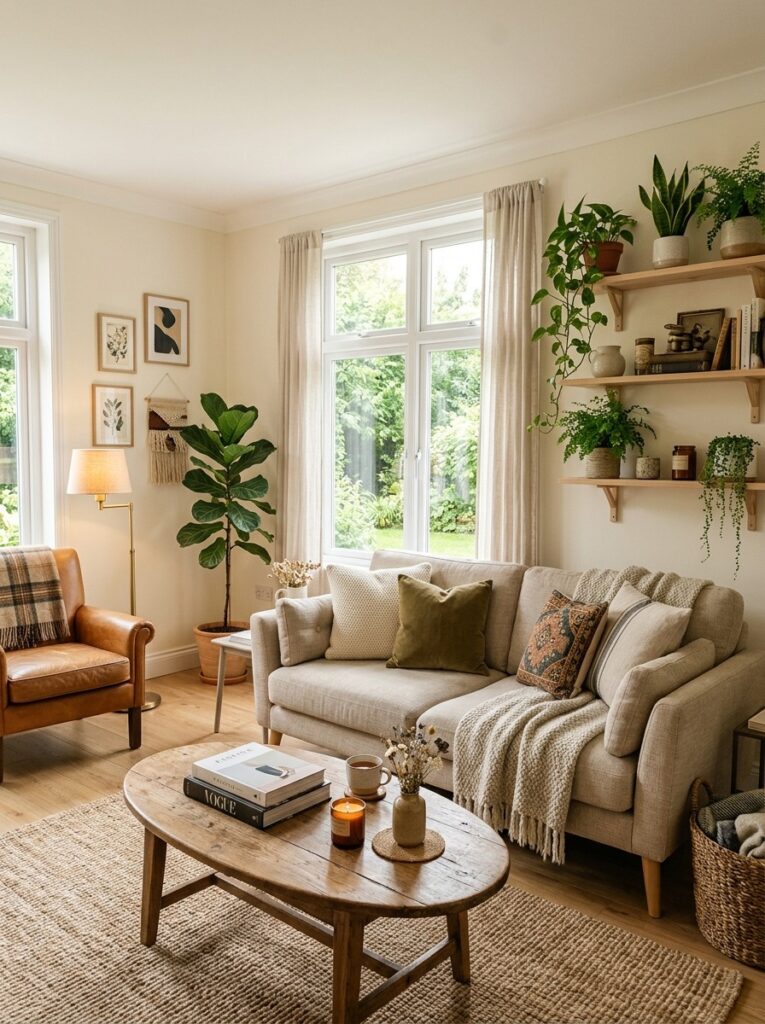
Your favorite spaces tell the honest truth about your design taste. Walk through homes you love—whether it’s a friend’s living room, a coffee shop you frequent, or a hotel lobby that makes you stop and pause—and notice what stops you. In my experience, people immediately recognize beauty when they see it, even if they can’t name the style. These moments reveal your authentic preferences far better than any quiz or mood board. Pay attention to which rooms make you want to linger, which colors calm you, and which layouts feel welcoming. Your natural attraction to certain spaces is your decorating compass, pointing directly toward the style that will make your home feel like genuinely you.
When you start cataloging your favorite rooms, patterns emerge that you never realized connected. Maybe you’re drawn to airy, light-filled spaces with minimal clutter, or perhaps you love warm, layered environments packed with personality and texture. Some people consistently gravitate toward traditional elegance, while others find themselves mesmerized by modern minimalism or eclectic bohemian vibes. These aren’t random attractions—they’re the foundation of your personal style. Once you understand what actually appeals to you emotionally, you stop second-guessing yourself and start building a home that reflects who you really are. This clarity transforms decorating from a stressful guessing game into a confident, joyful process of bringing your vision to life.
2. Gather Your Inspiration Images
What This Idea Adds:
- Creates a visual reference system you can actually use
- Makes abstract style ideas concrete and tangible
- Helps you spot color and design themes across images
- Gives you confidence when shopping or decorating
- Becomes your personal design blueprint
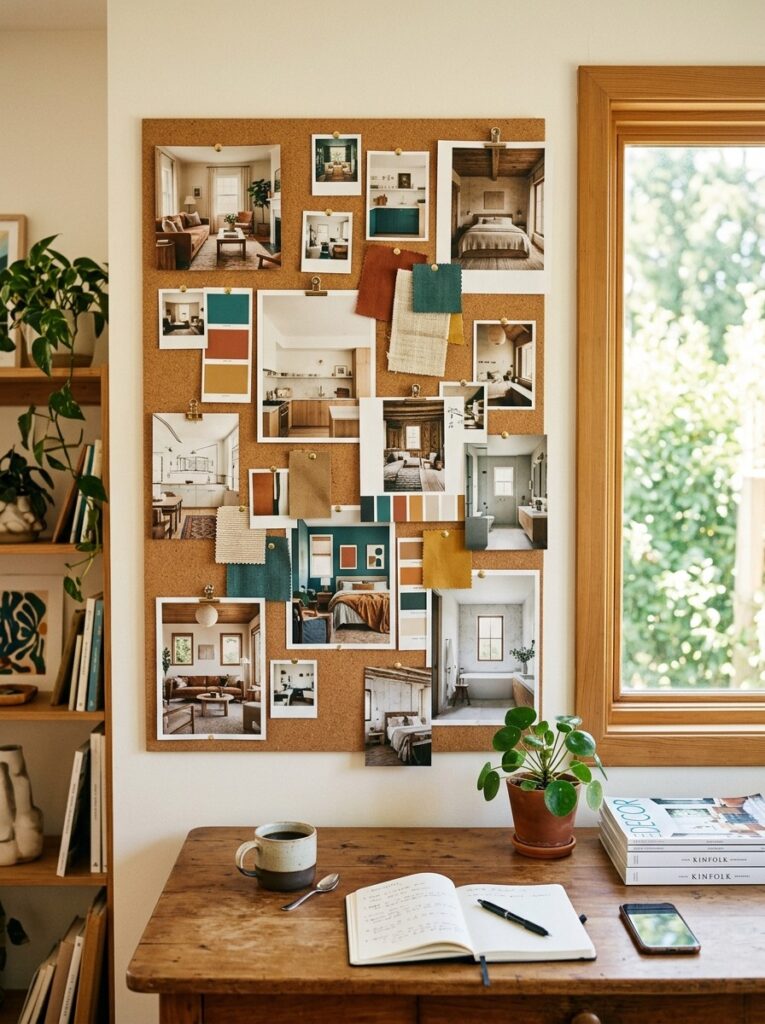
Start collecting images of spaces, rooms, and design details that speak to you—but be intentional about it. Use Pinterest, Instagram, design magazines, or even screenshots from shows you watch, and save them all in one accessible place. This isn’t about finding perfection; it’s about building your visual library. I’ve noticed that people who gather inspiration images make faster, more cohesive decorating decisions than those who shop randomly. When you have a collection of 30, 50, or even 100 images you genuinely love, patterns emerge that reveal your true decorating style. Colors repeat. Textures appear again and again. Furniture silhouettes keep showing up. These aren’t coincidences—they’re your style fingerprint becoming visible.
Once your inspiration collection exists, study it like you’re reading your own design story. Spread the images out and look for what connects them—not what’s trendy or what someone told you to like, but what authentically draws your eye. Do warm neutrals dominate? Are jewel tones pulling you in? Do you see lots of plants, vintage finds, or clean lines? Your inspiration board becomes a decision-making tool that keeps you grounded when shopping or planning changes. Instead of buying something because it’s on sale or looks nice in a store, you compare it to your collection and ask: “Does this fit my actual style?” This filter saves you money, mistakes, and the frustration of a home that feels like someone else’s instead of yours.
3. Notice Your Color Preferences
What This Idea Adds:
- Reveals whether you’re drawn to warm or cool tones
- Shows your comfort with bold color versus neutrals
- Helps you create a cohesive color foundation for your home
- Makes future decorating choices faster and easier
- Prevents buying things that clash with your natural preferences
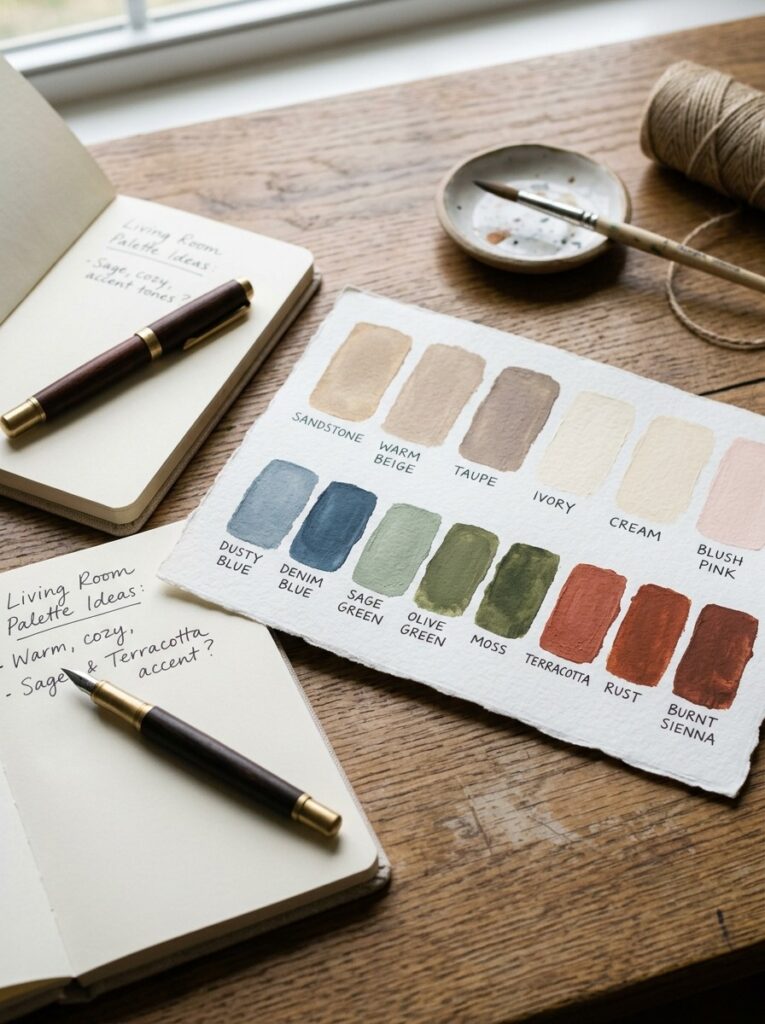
Colors carry emotion, and your color preferences reveal a lot about your decorating personality. Before you think too hard about it, ask yourself: What colors naturally make you happy? Do you reach for warm, earthy tones like terracotta, cream, and chocolate brown, or do cool shades like soft blue, sage, and gray pull you in? That’s why many designers recommend actually living with color samples before committing. Paint large swatches on your walls, live with them for a few days, and notice how they make you feel in different lighting. Morning light reveals different undertones than evening light, and your emotional response matters more than any decorating rule. Your color preferences aren’t just aesthetic choices—they’re the emotional palette of your home.
Once you understand whether you naturally gravitate toward warm or cool tones, your entire decorating direction becomes clearer. Some people thrive in homes filled with cozy, warm neutrals and rich jewel tones, while others feel most at peace in spaces dominated by soft, cool pastels and minimal color. Neither is better—they’re just different, and recognizing yours matters. I’ve seen countless people transform their homes by simply committing to their actual color preference instead of fighting against it. When your walls, furniture, and accessories speak the same color language, the entire space feels intentional and peaceful, even if you mix different styles. Your home starts to feel like an authentic expression of you, not a Pinterest collage of unrelated images.
4. Explore Different Design Styles
What This Idea Adds:
- Helps you name and understand the styles you’re actually drawn to
- Shows you it’s okay to mix multiple design styles together
- Gives you language to describe your preferences to others
- Prevents you from copying one look when another feels more authentically you
- Makes shopping and Pinterest searching much more targeted
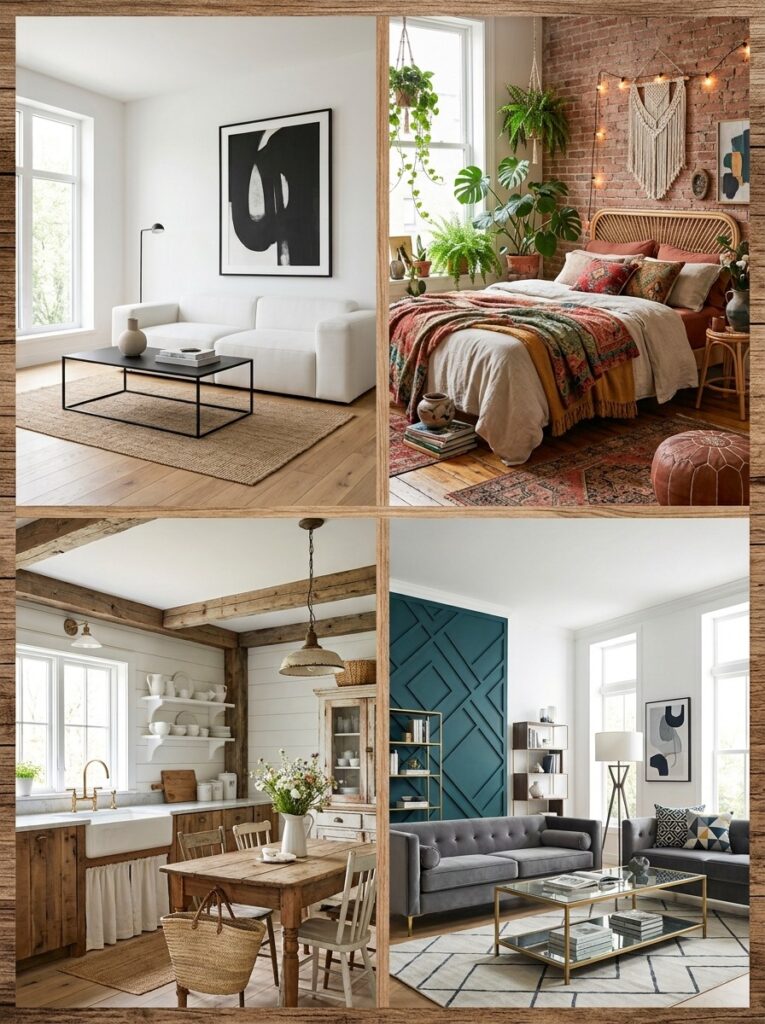
Your decorating style doesn’t have to fit neatly into one box, but understanding the main design categories helps you recognize what appeals to you. Minimalist, bohemian, farmhouse, mid-century modern, contemporary, traditional, eclectic, industrial—these aren’t rigid rules; they’re starting points for understanding what resonates with you emotionally. Spend time looking at examples of each major style and notice which ones make you stop scrolling. Pay attention to which design philosophies align with how you actually want to live. Do you crave simplicity and calm, or do you thrive surrounded by layered textures and collected treasures? Your answer matters far more than current trends, because you’re the one living in your space every single day.
I’ve noticed that people who identify with one primary style and one secondary style often create the most interesting, livable homes. This approach gives you a clear foundation while keeping space for your personality to shine through. Once you’ve explored different design styles and recognized your authentic preferences, you can start shopping intentionally, asking yourself whether each piece fits within your chosen aesthetic. This single clarity saves you money and prevents your home from feeling like a chaotic collection of unrelated items.
5. Think About Your Daily Life
What This Idea Adds:
- Ensures your style works for your real life, not just Instagram photos
- Prevents you from creating a space that looks pretty but feels uncomfortable
- Helps you balance beauty with practicality for your household
- Makes your decorating choices sustainable and livable long-term
- Creates a home that functions as well as it looks
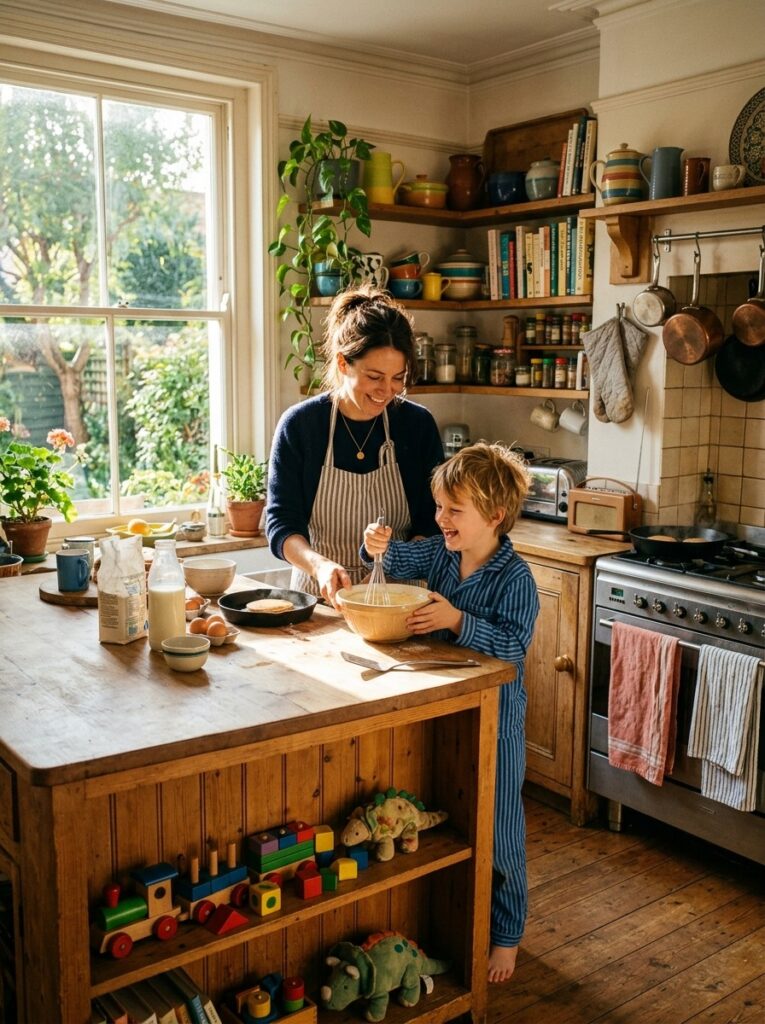
Your decorating style needs to work for your actual life, not the life you think you should have. If you have young kids, pets, or a busy schedule, ultra-minimal styling might look gorgeous but feel impossible to maintain. If you work from home and spend hours in your space, comfort and personal expression matter more than magazine-perfection. Think honestly about how you use your home: Are you entertaining frequently? Do you need flexible spaces for multiple activities? Do you prefer low-maintenance materials, or are you happy investing time in upkeep? Your answers shape what style will actually feel right for you. The most beautiful home is one where you can relax, be yourself, and live freely without constantly worrying about maintaining a perfect aesthetic.
In my experience, the homes that feel most inviting are ones where beauty and functionality exist together comfortably. You can have a gorgeous space that’s also easy to clean, flexible for family life, and genuinely livable. This means sometimes choosing durable fabrics over delicate ones, incorporating hidden storage for daily items, and giving yourself permission to create a home that serves you instead of the other way around. Your decorating style should enhance your daily life and bring you joy, not create stress or require constant perfection.
6. Look at Your Current Favorites
What This Idea Adds:
- Identifies pieces and objects you authentically love and want to keep
- Shows patterns in your taste through items you’ve already chosen
- Honors your personal story and emotional connections to objects
- Creates a style foundation based on what you already own and treasure
- Prevents wasteful decorating overhauls when good pieces already exist
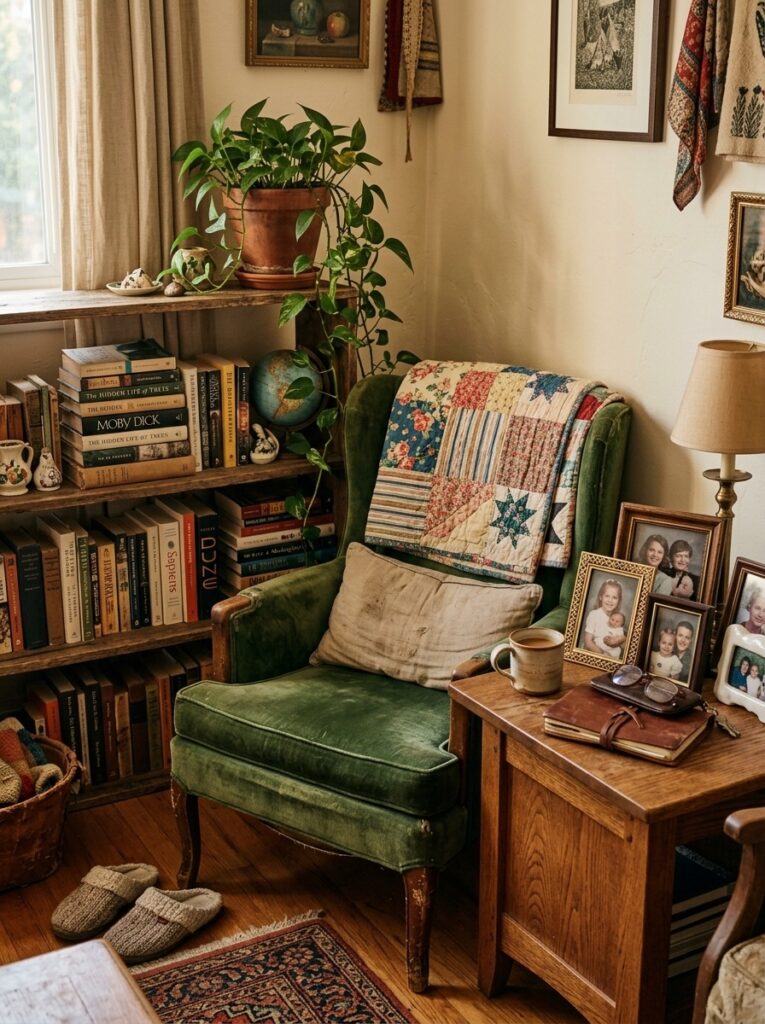
Look around your current home and identify the things you genuinely love—not the items you feel obligated to keep or that came with your place, but the pieces that actually make you happy. Maybe it’s a vintage chair you found at a thrift store, a collection of plants that makes your space feel alive, family photographs, books, or handmade items with sentimental value. These beloved objects are clues to your decorating style. I’ve seen this work consistently: when people build their decorating style around pieces they already treasure, their homes feel authentic and personal rather than copied from somewhere else. Your current favorites reveal what you’re naturally drawn to, and honoring those preferences in future decorating choices creates a cohesive, meaningful space that tells your story.
These cherished items become the anchor points for your entire design direction. Instead of starting from scratch, you build around what you already love, incorporating colors, textures, and styles that complement your treasured possessions. This approach is also more sustainable and budget-friendly—you’re not throwing out good pieces to chase a new look, you’re simply adding pieces that enhance what you already have. Your decorating style emerges naturally when you honor what authentically speaks to you rather than fighting against your own preferences or trying to match someone else’s vision.
7. Identify Your Texture Preferences
What This Idea Adds:
- Reveals whether you prefer smooth, minimalist spaces or layered, textured ones
- Shows your comfort level with mixing different materials and surfaces
- Helps you create visual depth and interest in any room
- Makes your space feel more inviting and sophisticated
- Gives you another language to describe your aesthetic preferences
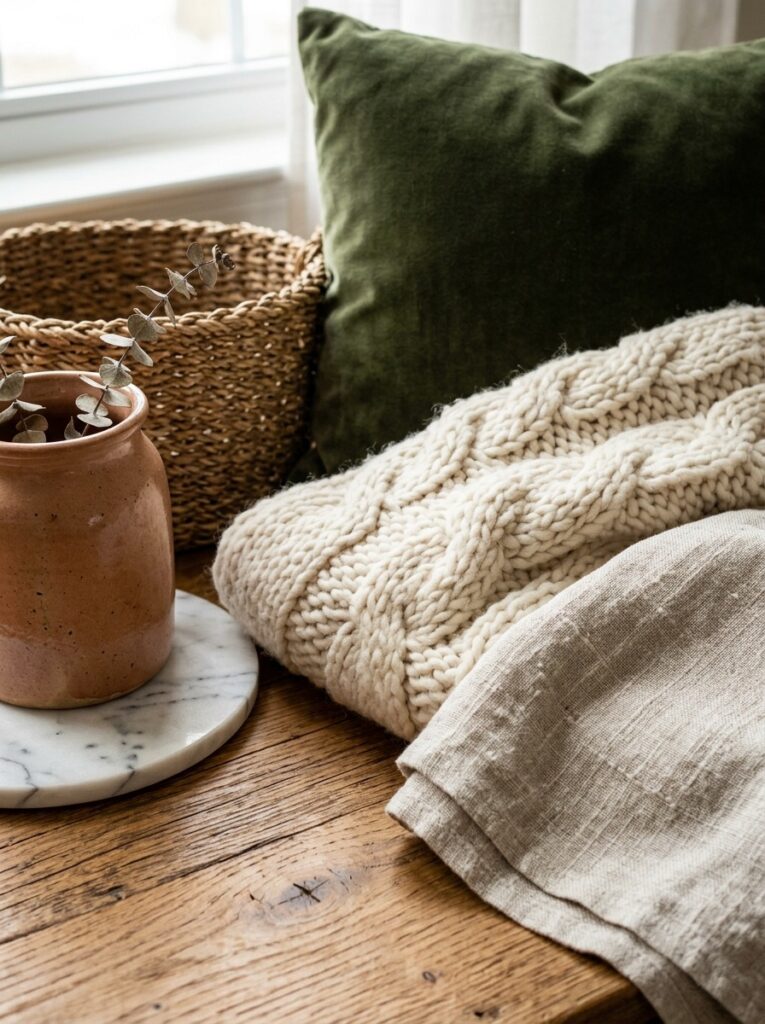
Texture is the quiet element that transforms a space from flat and boring into rich and inviting, yet many people overlook it when finding their aesthetic direction. Close your eyes and think about the spaces where you feel most comfortable: Are they smooth and streamlined with clean surfaces, or are they filled with varied textures—soft rugs, chunky knits, natural wood, woven baskets? Your texture preferences matter as much as your color preferences, because they determine whether your home feels cozy or cold, sophisticated or simple. That’s why many designers recommend layering textures intentionally. A room with only hard surfaces feels sterile, while a space with too many competing textures feels chaotic. Your natural texture preferences guide you toward the balance that makes your specific home feel welcoming and genuinely comfortable.
When you understand your texture preferences, you stop defaulting to whatever’s cheapest or trendiest and start choosing materials that align with how you want your space to feel. Some people thrive in minimalist environments with smooth surfaces and clean lines, while others come alive in layered spaces full of soft fabrics, natural wood, and tactile elements. I’ve noticed that people whose homes truly reflect their style have intentionally chosen textures that speak to them. Once you recognize this preference, shopping becomes easier—you know whether to reach for sleek metal and glass or warm wood and soft linens, whether your space needs more softness or more structure. This single awareness prevents design mistakes and helps you create a home that feels right to both your eyes and your hands.
8. Pay Attention to Lighting You Love
What This Idea Adds:
- Shows how lighting affects your mood and perception of a space
- Helps you understand your aesthetic preferences more deeply
- Guides you toward lighting choices that enhance your decorating vision
- Prevents you from choosing a style that looks wrong in your actual light
- Makes your home feel intentional and beautiful at every time of day
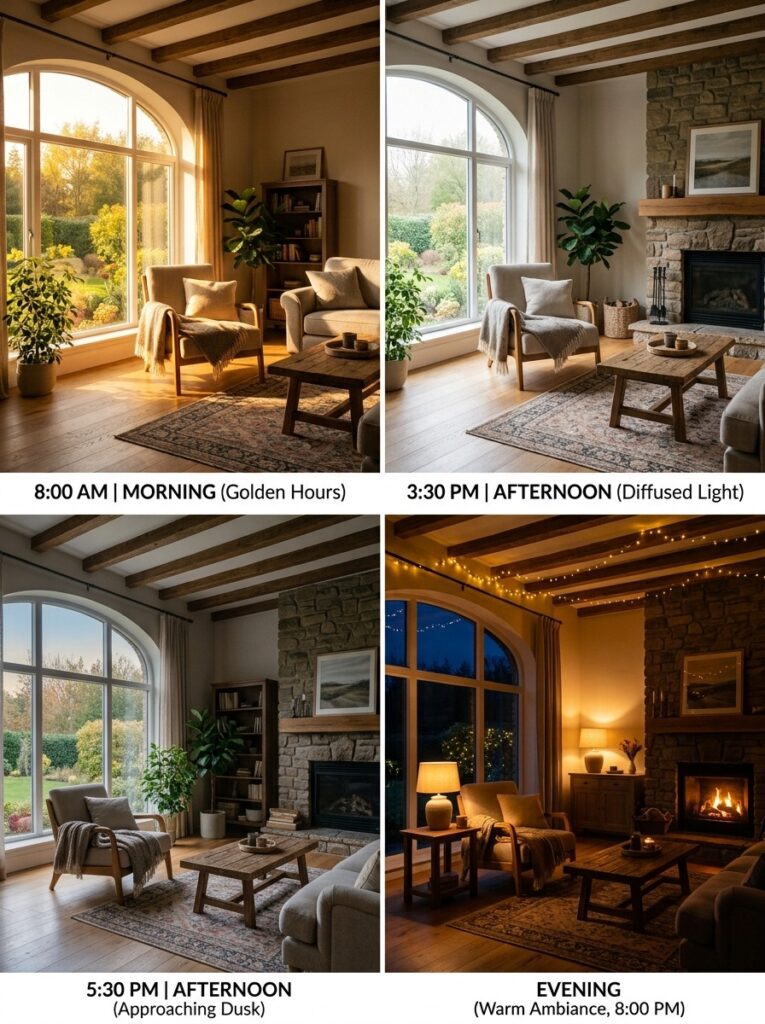
Lighting shapes everything about how a room looks and feels, yet it’s often an afterthought in decorating. Notice the spaces where you feel happiest: Are you drawn to bright, natural light flooding in through large windows, or do you prefer softer, more controlled lighting? Do you love the golden glow of warm lamp light in the evening, or does bright, cool-toned lighting make you feel energized? Your lighting preferences are clues to your decorating style that many people miss. The way light interacts with colors, textures, and spaces completely changes the mood. A minimalist room bathed in natural light feels clean and calm, while the same room lit only by harsh overhead lights feels cold and uninviting. Understanding your lighting preferences ensures that your decorating choices will actually look and feel right in your home.
I’ve seen people make significant decorating mistakes because they fell in love with a room they saw in bright studio lighting, then brought those choices into a naturally dark space where everything looked different. When you’re aware of your home’s natural light patterns and your preference for certain types of lighting, you make choices that actually work for your environment. Consider whether you want to maximize natural light or create a cozy, intimate space with layered artificial lighting. Think about whether warm or cool-toned bulbs align with your aesthetic. These decisions transform your entire decorating direction and ensure that every choice—from paint color to furniture finish—looks intentional and beautiful in your actual space.
9. Collect Pieces You Actually Use
What This Idea Adds:
- Ensures your decorating style works for how you actually live
- Makes your space feel intentional and purposeful, not just decorative
- Saves money by investing in pieces that earn their space
- Creates authentic beauty that comes from genuine use and care
- Prevents your home from feeling like a museum or showroom
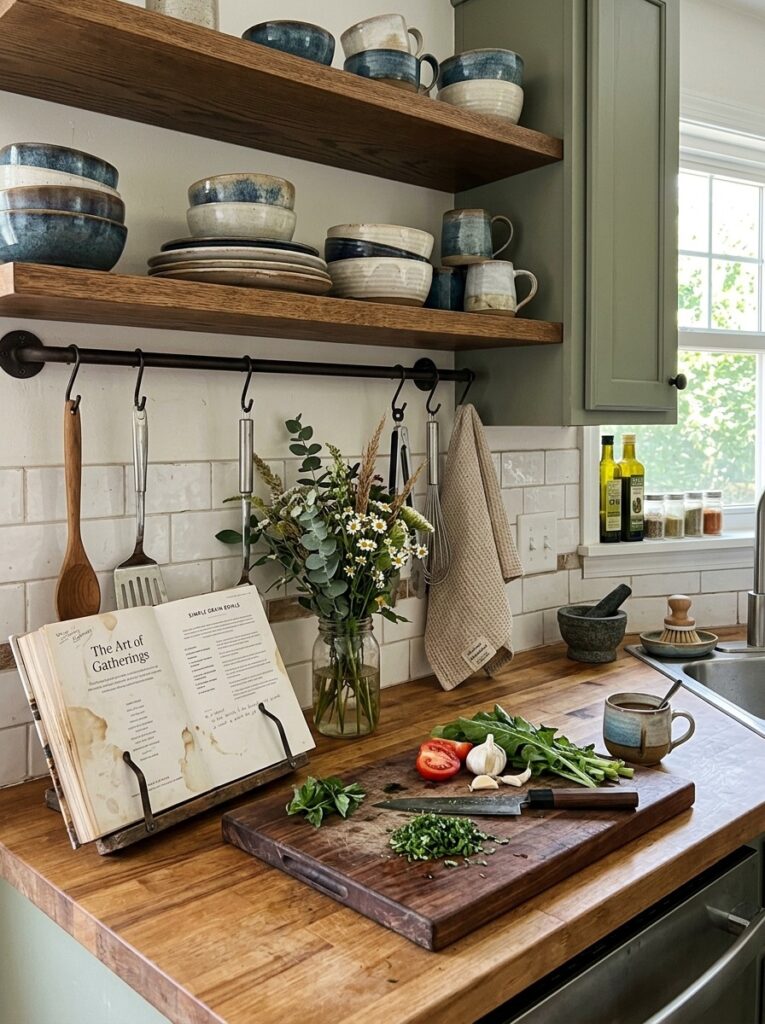
The most beautiful decorating styles incorporate pieces you genuinely use every day, not objects selected purely for visual appeal. When you use something regularly—whether it’s your favorite coffee mug, a cutting board you reach for constantly, or a blanket you wrap yourself in—it tells the story of how you actually live. This is the difference between a home that feels staged and a home that feels lived-in and authentic. I’ve noticed that homes where people use their beautiful things daily feel infinitely more inviting than spaces where everything pretty is tucked away behind closed doors. Your decorating style becomes richer and more genuine when it incorporates the items that matter to your daily life. This approach also ensures that your home functions beautifully, not just looks beautiful.
Building your style around pieces you actually use transforms decorating from a passive exercise into an active expression of how you spend your time. If you love cooking, beautiful kitchen items that you use become part of your decorating story. If you’re a reader, displaying your treasured books creates both personality and functionality. When your home’s beauty emerges from the things you genuinely use and care about, every element serves a purpose and contributes meaning. This creates a space that feels authentic, welcoming, and distinctly yours—far more interesting than a perfectly styled room where no one ever sits, cooks, or actually lives.
10. Study Your Shopping Patterns
What This Idea Adds:
- Reveals your authentic taste through your actual buying choices
- Shows patterns in what you’re drawn to when shopping
- Helps you recognize whether you impulse-buy or shop intentionally
- Identifies what makes you feel confident about a purchase
- Guides future shopping decisions based on your real preferences
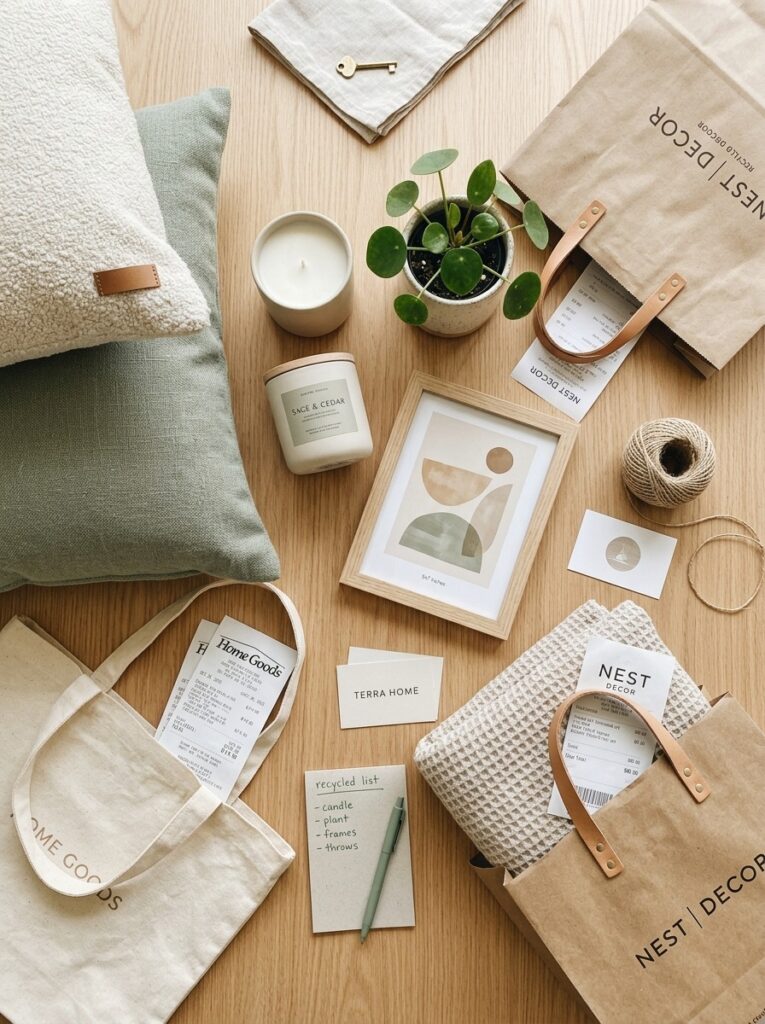
Look back at the things you’ve bought for your home over the past year or two—not what you thought you should buy, but what you actually purchased and brought into your space. What colors keep showing up? What price range do you gravitate toward? Do you prefer statement pieces or smaller, practical items? Are you drawn to new things or vintage finds? Your actual purchasing patterns reveal your authentic taste far more honestly than any trend or advice. In my experience, people who study their buying patterns discover they already know their style—they’ve just been second-guessing themselves or trying to match what they think they should like. When you recognize your genuine preferences through your own purchase history, you gain confidence and clarity about what actually works for you.
Your shopping patterns also reveal important truths about your budget comfort and your approach to decorating. Some people prefer investing in a few high-quality pieces, while others love the flexibility of affordable items they can change frequently. Neither approach is wrong—they’re just different, and understanding yours matters. When you acknowledge your natural shopping style instead of fighting against it, you make purchases you actually feel good about and create a home that genuinely reflects who you are. This awareness transforms shopping from a frustrating guessing game into a confident process of building exactly the space you want.
11. Notice What You Keep Returning To
What This Idea Adds:
- Identifies the spaces and elements your body naturally gravitates toward
- Reveals what actually makes you comfortable versus what just looks good
- Shows your authentic priorities in how you use your home
- Helps you design spaces around activities you genuinely enjoy
- Creates a home that serves your real lifestyle and needs
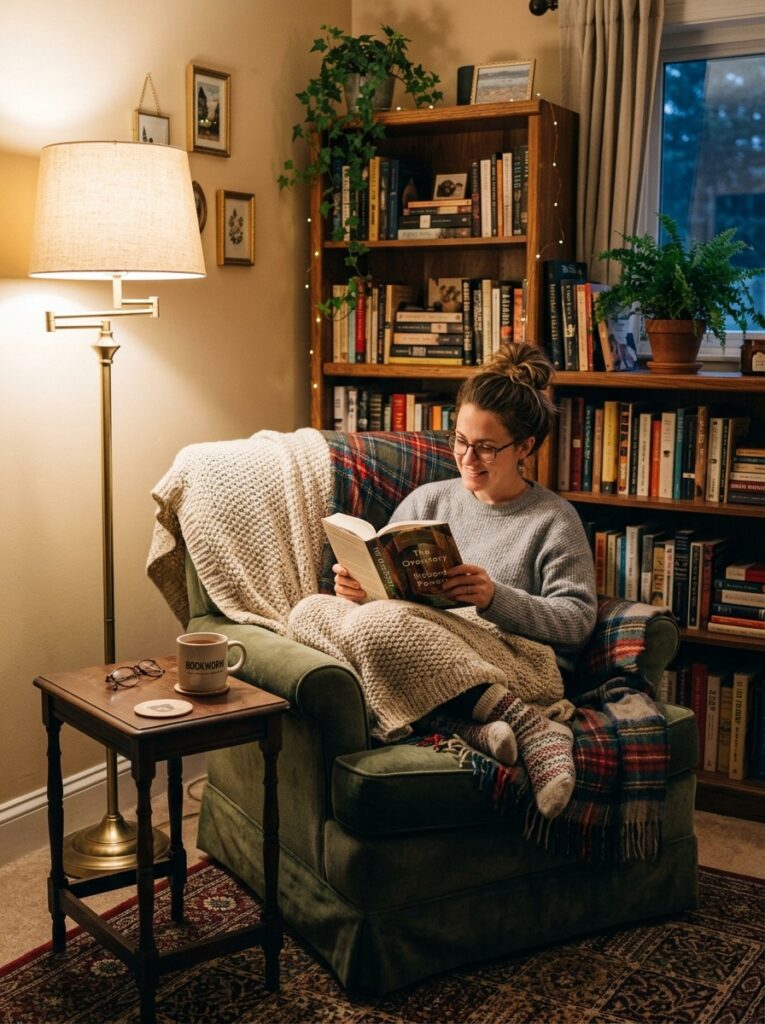
Pay attention to where you naturally spend time in your home and what draws you back repeatedly. Maybe there’s a corner with a comfortable chair where you always end up reading, or a kitchen nook where you linger over coffee. Notice the rooms you escape to when you need calm, the spaces where you feel most yourself. These aren’t random—they’re showing you what actually matters to your comfort and happiness. I’ve observed that the most satisfied people are those who’ve designed their homes around the activities and spaces they genuinely use, rather than following a decorating formula. Your decorating choices should enhance the life you’re actually living, not create an obstacle to it. When you notice what you keep returning to, you discover the foundation of your personal aesthetic.
Understanding your natural habits transforms how you approach decorating. If you always retreat to a quiet corner, maybe your style emphasizes peaceful, calm spaces with soft furnishings and minimal visual clutter. If you’re drawn to your kitchen, perhaps your aesthetic celebrates functionality and beauty together in that space. If you spend evenings in your bedroom, maybe cozy, intimate lighting and soft textures matter most to you there. Building your style around these authentic patterns ensures every decorating choice serves your actual life and brings you real joy. Your space becomes not just beautiful, but genuinely livable and beloved.
12. Honor Your Budget Reality
What This Idea Adds:
- Removes shame or pressure about spending limits
- Shows you can create beautiful spaces at any budget level
- Helps you prioritize what matters most to your aesthetic
- Prevents decorating overwhelm and financial stress
- Makes your style feel authentic and achievable
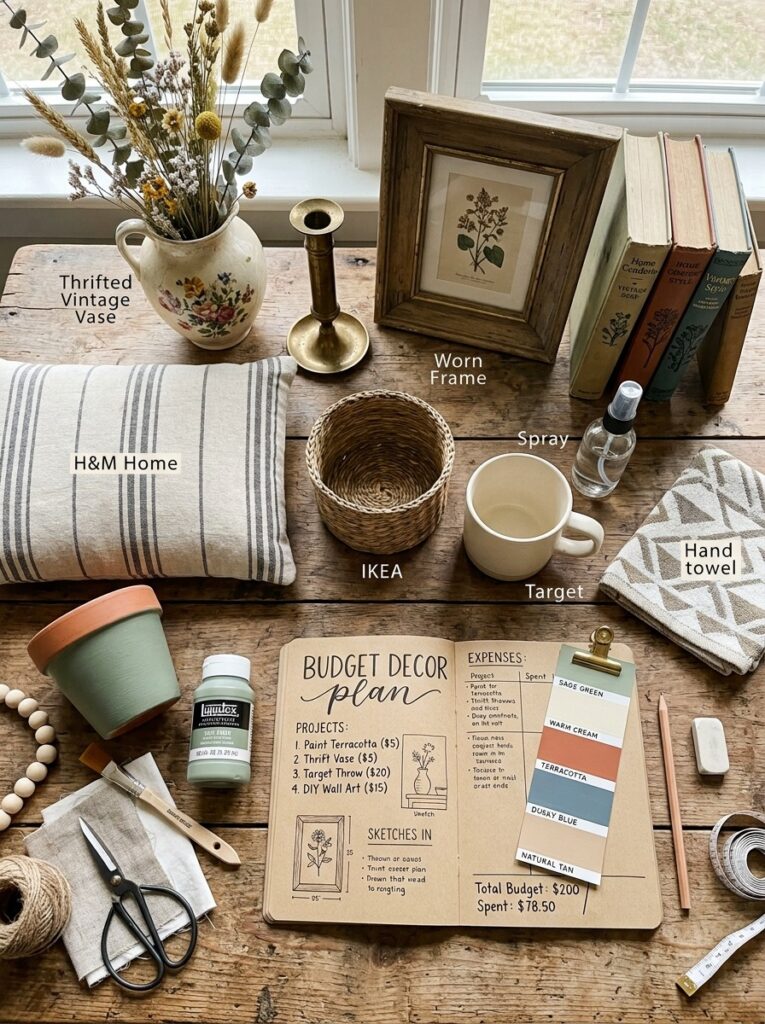
Your budget is part of your decorating reality, and acknowledging it honestly matters far more than pretending you have unlimited resources. You can create a genuinely beautiful home at any budget level—what matters is knowing your number and making intentional choices within it. That’s why many designers recommend deciding which elements matter most to you and investing there, while saving money on less important pieces. If statement furniture is your priority, buy fewer, higher-quality pieces and fill the rest of your space affordably. If having lots of plants and decorative accessories brings you joy, invest there and choose simple, budget-friendly furniture. Your authentic style emerges when you stop trying to recreate expensive room designs and instead create something beautiful within your actual means.
I’ve noticed that the most stylish homes aren’t always the most expensive—they’re the ones where people have been intentional about their choices and honest about their budget. When you embrace your financial reality instead of fighting against it, you make smarter decisions and feel genuinely satisfied with your space. This might mean shopping secondhand, getting creative with DIY projects, or waiting to save for one beautiful piece rather than filling your home with rushed choices. Your decorating style becomes sustainable and sustainable when it aligns with your actual budget, not an imagined one. The result is a home you love that doesn’t create financial stress or regret.
13. Consider Your Lifestyle Changes
What This Idea Adds:
- Ensures your decorating style grows with you over time
- Prevents investing heavily in a style that won’t serve you long-term
- Helps you build flexibility into your design choices
- Shows how your aesthetic naturally evolves with life changes
- Creates a sustainable approach to decorating that lasts years, not months
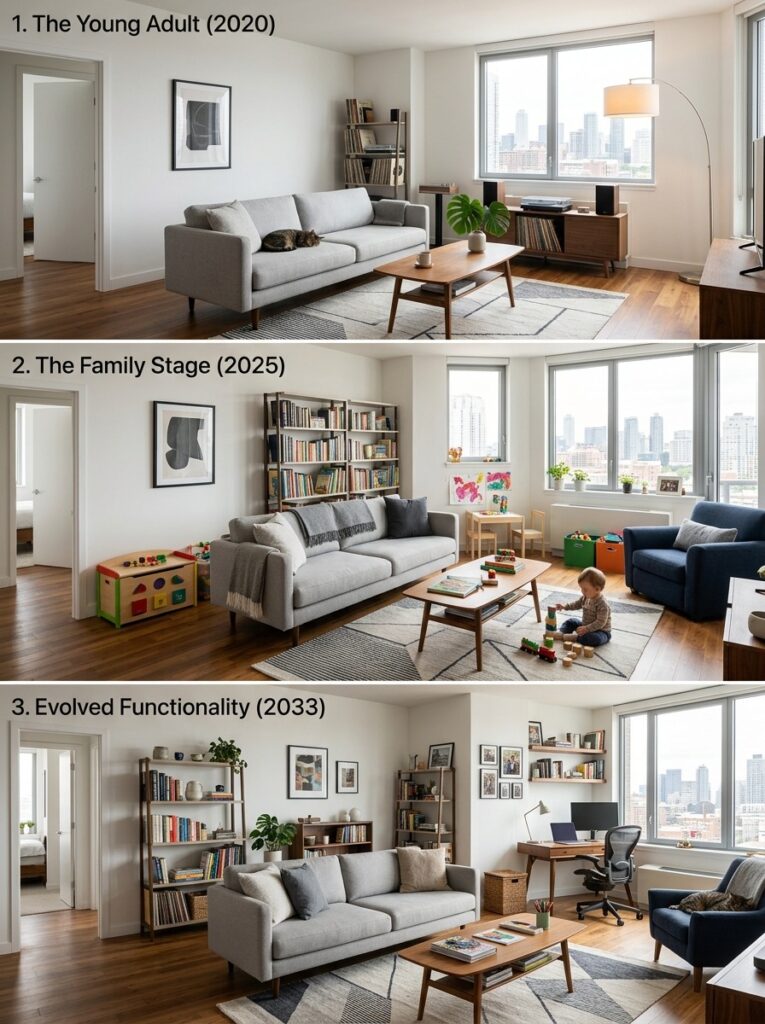
Your decorating style isn’t frozen in time—it grows and changes as your life does. The aesthetic that feels perfect for a single person might shift when you partner with someone, start a family, or change careers. The key is building flexibility into your foundational choices so your style can evolve without requiring constant overhauls. When you’re finding your decorating direction, think honestly about where you are in your life right now and where you might be in five years. Does your current style have room to grow and adapt, or is it so specific that any major life change will require starting over? That’s why many designers recommend anchoring your style in timeless elements and letting the details shift over time. This approach lets your home remain authentic to who you are today while staying flexible for who you’ll become.
Building adaptability into your decorating style doesn’t mean choosing boring or impersonal choices—it means being intentional about which elements are permanent investments and which are more temporary expressions. I’ve seen people create beautiful homes that evolved naturally with their lives because they started with a strong foundational style that could accommodate change. When your core aesthetic is rooted in genuine preferences rather than trends, adding new elements or shifting details feels like your style evolving, not starting from scratch. This creates a home that feels authentically you at every stage of your life.
14. Mix Styles Intentionally
What This Idea Adds:
- Shows that your style doesn’t have to fit one category perfectly
- Reveals how mixing styles can create something more interesting than one aesthetic alone
- Helps you express your full personality rather than limiting yourself
- Makes decorating feel more creative and personalized
- Creates depth and visual richness through intentional contrast
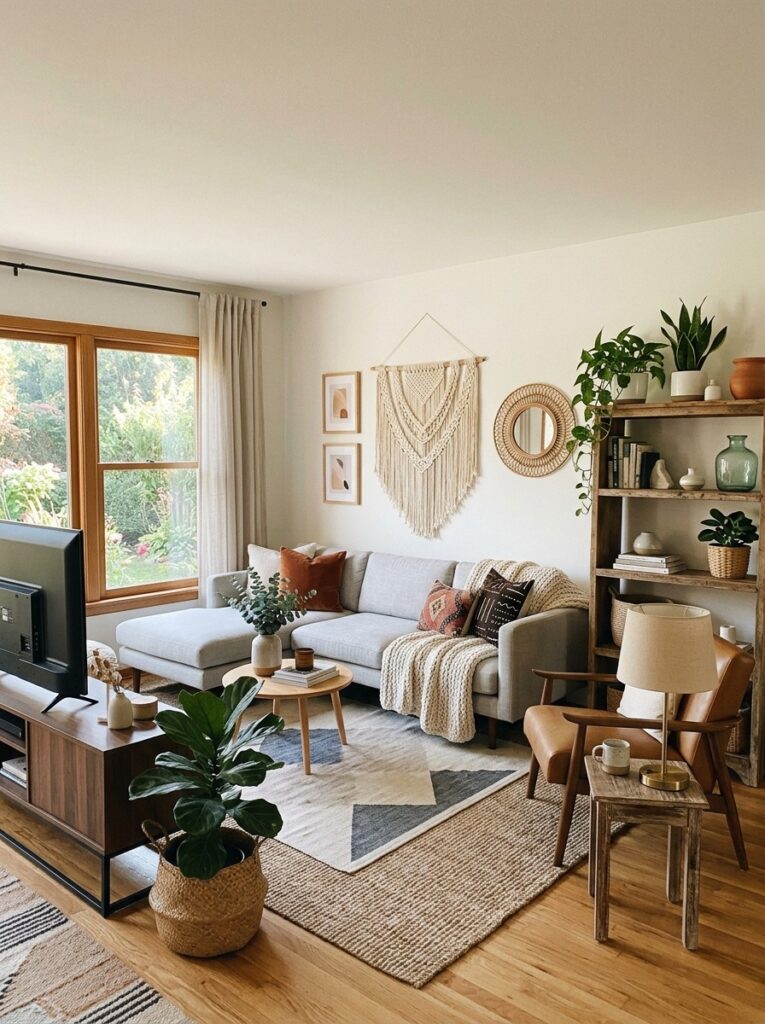
Your decorating style might not fit neatly into one category, and that’s actually where things get interesting. Many people find that their authentic aesthetic combines elements from multiple design styles—a bit of minimalism mixed with bohemian warmth, or industrial touches softened by farmhouse charm. When you stop feeling like you have to choose one style and instead give yourself permission to mix intentionally, your home becomes uniquely yours. In my experience, the most captivating spaces are ones where someone has blended styles thoughtfully, creating something that feels fresh and personalized. This requires understanding which elements from each style speak to you—maybe you love the clean lines of modern design but want the warmth and texture of bohemian style. Once you identify which pieces from different aesthetics align with your taste, you can combine them confidently.
The key to mixing styles successfully is ensuring they share common ground—usually color, lighting, or texture. When your mixed-style home has a cohesive color palette and consistent textures throughout, it feels intentional rather than random or chaotic. This approach lets you express your full personality and create a space that genuinely reflects how you actually live and what truly appeals to you aesthetically. Your home stops looking like it came from one design trend and starts looking like the authentic, thoughtful reflection of your taste and preferences.
15. Start Small and Build Slowly
What This Idea Adds:
- Takes pressure off needing to know your style perfectly right away
- Lets you test and refine your choices before major investments
- Prevents costly mistakes from rushing into big decorating decisions
- Gives you time to collect pieces that genuinely speak to you
- Creates a more authentic, evolved style than quick, forced changes
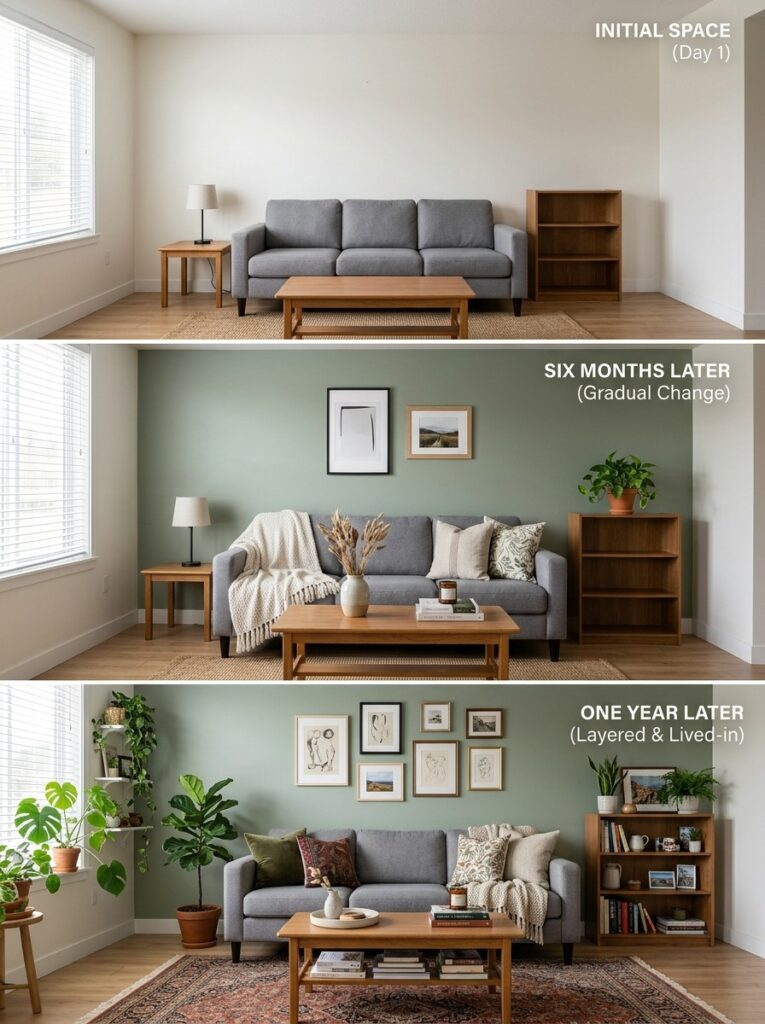
You don’t need to completely redecorate overnight to find and establish your decorating style. In fact, rushing usually leads to choices you regret and a home that doesn’t reflect your authentic taste. Start small—maybe paint one wall a color you love, add one beautiful piece of furniture, or gradually build a collection of smaller accessories. This slow-building approach lets you test ideas, live with your choices, and refine your direction over time. That’s why many design professionals recommend starting with foundational elements like paint colors and larger furniture pieces, then adding layers of personality through smaller items. When you give yourself permission to build slowly, you make more confident choices and end up with a space that genuinely represents you.
Taking time to build your style also lets you discover what actually works in your specific space with your actual lighting, lifestyle, and daily life. A color you loved in a store might look different in your home, or a furniture piece might not fit your flow as well as you expected. I’ve noticed that people who build gradually catch these mismatches early and adjust thoughtfully, while those who decorate all at once often end up frustrated with choices that don’t work. Building slowly also keeps decorating financially manageable and lets you invest in pieces that truly matter rather than filling your space with rushed purchases. Your final result is a home that feels thoughtfully curated and authentically yours.
16. Follow Designers You Admire
What This Idea Adds:
- Helps you learn from people whose aesthetic resonates with you
- Shows how professionals approach design decisions and reasoning
- Provides language to describe design choices you admire
- Connects you with a community of people who share your taste
- Offers ongoing inspiration and education about your style
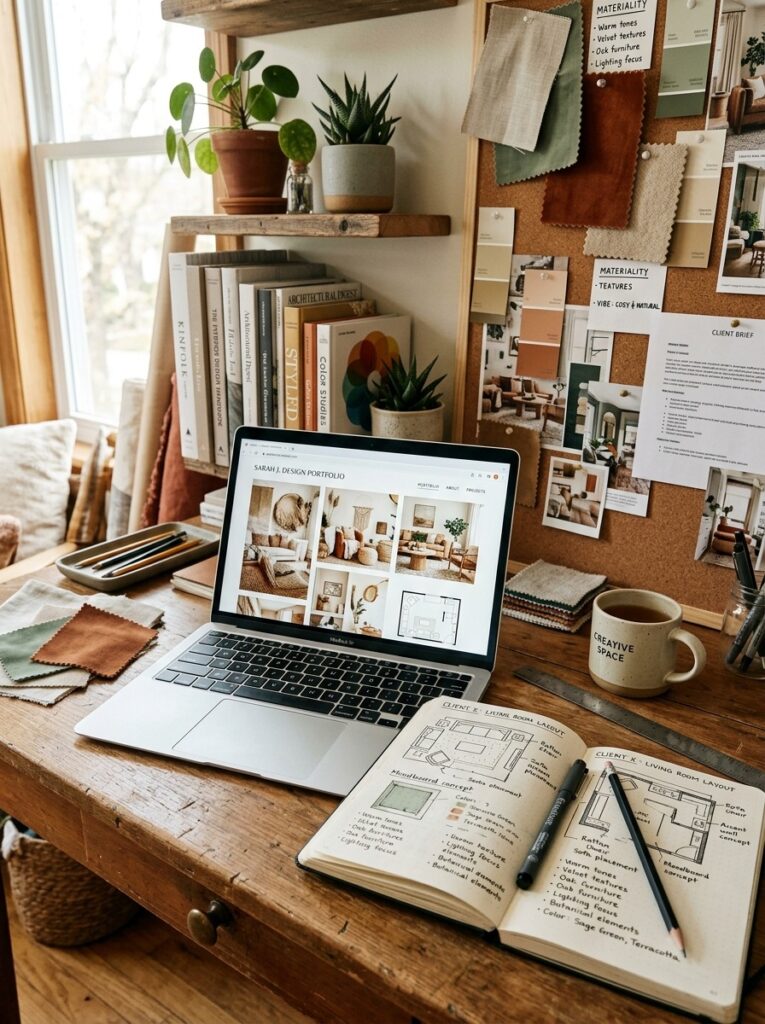
Follow interior designers, decorators, and creative professionals whose work genuinely speaks to you—not because they’re famous, but because their aesthetic aligns with what appeals to you. Study how they make choices, why they pair certain colors together, and how they solve design problems. You’ll notice patterns in their work that reveal design principles you can apply to your own home. In my experience, learning from designers you admire accelerates your understanding of your own style. You start noticing why certain combinations feel harmonious, how proportion and scale work, and how small choices create big impact. This education isn’t about copying their work—it’s about understanding the thinking behind design decisions and recognizing what principles align with your aesthetic vision.
When you follow designers whose work genuinely resonates, you’re not randomly consuming design content—you’re actively learning about your own preferences and taste. I’ve seen people discover their authentic decorating style through studying designers they admire, because it forces them to articulate why they like something beyond just “it’s pretty.” Does the designer’s work feature lots of plants? Do they favor minimalism or maximalism? Are their color palettes warm or cool? What stands out to you about their approach? Answering these questions reveals your own design values and helps you build your style with intention and understanding.
17. Test Your Ideas Before Committing
What This Idea Adds:
- Prevents expensive mistakes from permanent decorating decisions
- Lets you live with choices before committing to them fully
- Removes risk from trying bold colors or major changes
- Gives you confidence that your choices will work long-term
- Shows how different ideas actually look in your real space
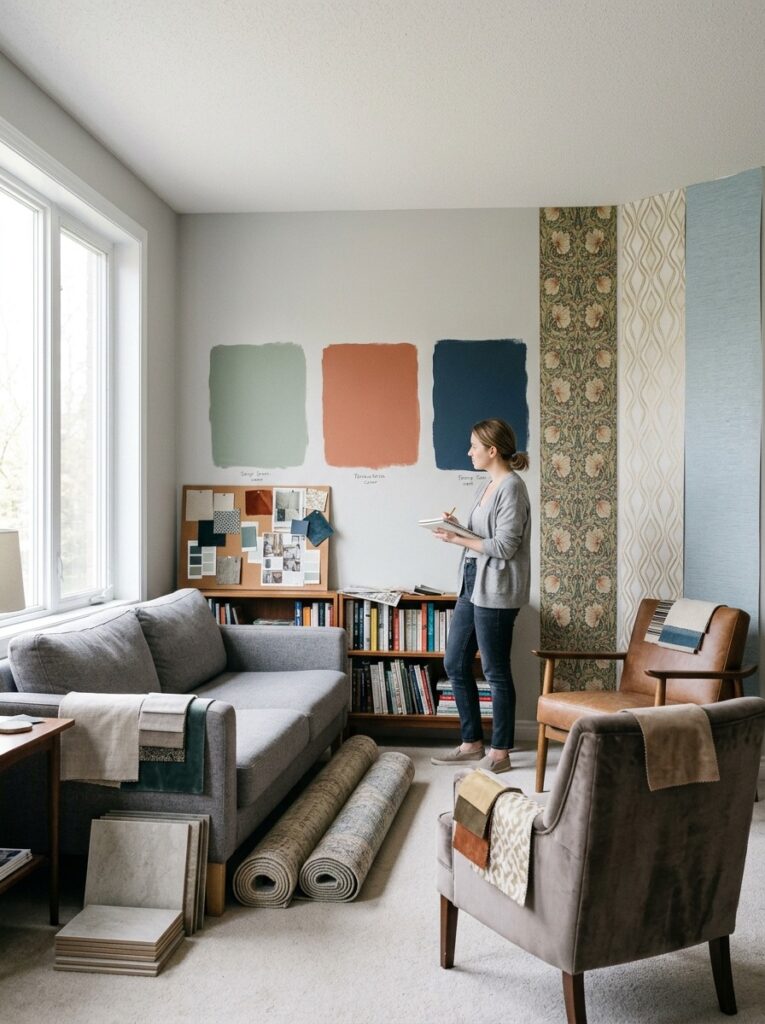
Before making permanent decisions—especially with paint, large furniture, or significant changes—test your ideas in your actual space first. Paint large swatches on your walls and live with them for several days in different lighting. Try furniture arrangements temporarily before committing to a layout. Use removable products to test wallpaper, stickers, or temporary accent walls. This testing phase prevents the regret that comes from rushing into permanent choices. That’s why many designers recommend this slow, intentional approach. Your space’s unique lighting, dimensions, and how you actually move through it affect how every choice looks and feels. A color that looks perfect in a store might feel overwhelming on your walls, or a furniture arrangement that looks great in pictures might not flow well in your actual space.
I’ve noticed that people who test their ideas before committing end up far more satisfied with their final results. Testing removes the pressure of getting everything perfect immediately and lets you make adjustments before anything is permanent. If a paint color doesn’t feel right after living with it for a week, you try the next option. If a furniture arrangement makes your space feel cramped, you adjust before ordering pieces. This experimental phase is actually part of the decorating process, not an obstacle to it. When you embrace testing as a valuable step, you make better decisions and create a home you genuinely love for years to come.
18. Identify Your Non-Negotiables
What This Idea Adds:
- Clarifies what actually matters most to you in your space
- Helps you prioritize decorating investments and decisions
- Ensures your style serves your actual needs and values
- Prevents you from compromising on what truly matters
- Creates a foundation for every other decorating choice
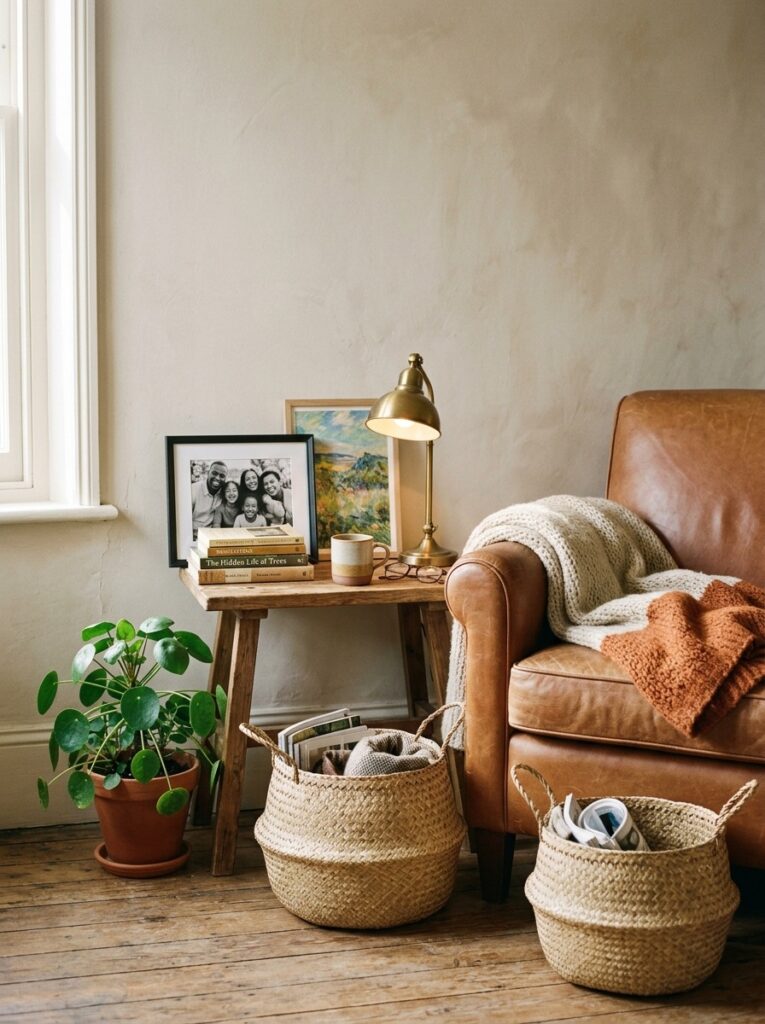
Every person has non-negotiables—elements that must exist in their home to feel comfortable, happy, or fully themselves. For some people, it’s natural light and plants; for others, it’s a comfortable reading space or a functional kitchen. Maybe you need room for creative projects, or space to entertain, or a calm bedroom retreat. Whatever matters most to you, these are your non-negotiables, and your decorating style must honor them. Identifying these core needs ensures every decorating choice serves your actual life. In my experience, people whose homes truly reflect their style have been clear about what non-negotiables matter to them and built their aesthetic around those elements. When you skip this step, you end up with a beautiful-looking space that doesn’t actually serve your real needs or make you happy.
Your non-negotiables become the filter through which you evaluate every decorating decision. If good natural light is essential to you, paint colors and window treatments become critical choices. If you need creative space, your layout and storage solutions drive your design direction. If entertaining is a priority, your furniture arrangement and openness of space matter most. By identifying what’s truly non-negotiable, you stop making decisions based on trends or what you think you should like and start building a home around what you actually need to thrive. This creates a space that feels deeply authentic and works beautifully for your real life.
19. Create a Personal Style Statement
What This Idea Adds:
- Gives you clarity and confidence in your decorating direction
- Creates a personal mission statement that guides all decisions
- Helps you communicate your vision to others helping you decorate
- Prevents you from second-guessing your choices
- Makes your style tangible and real, not just vague preferences
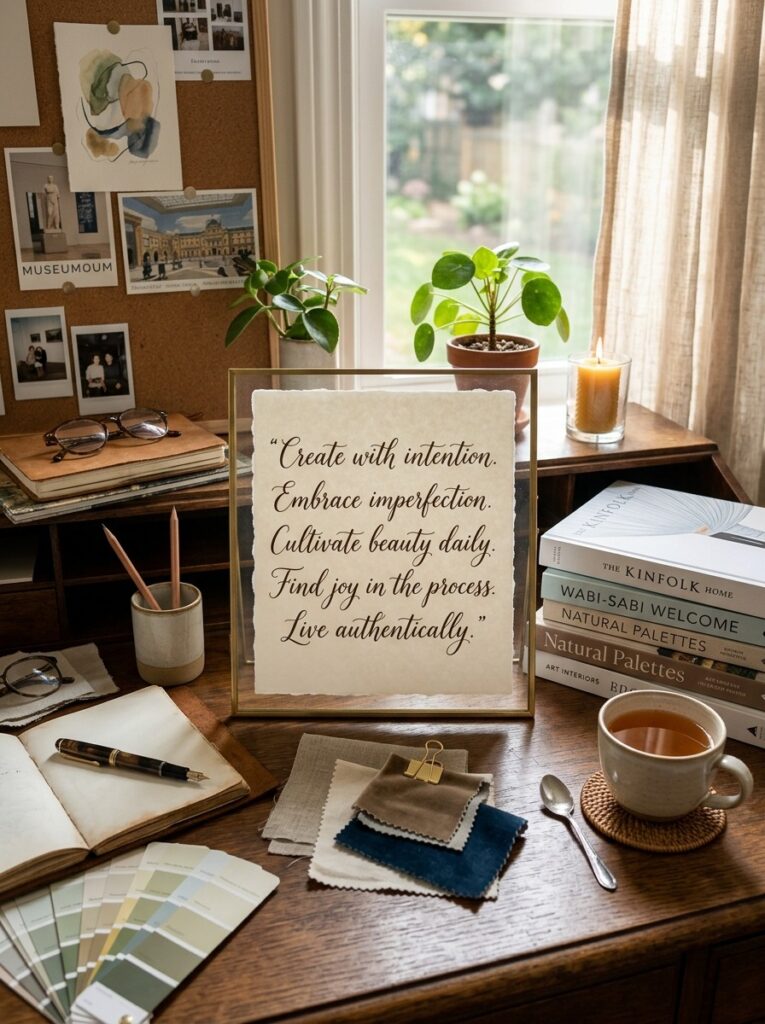
Write down your personal style statement—a simple description of what your home looks and feels like. Something like: “My home is warm, layered, and filled with treasured pieces that tell my story,” or “My space is calm, minimal, and filled with natural light and plants.” This statement becomes your north star for decorating decisions. When you’re tempted by something that doesn’t fit your vision, you can refer back to your statement and make a confident choice. That’s why many design professionals recommend starting here—it gives you concrete direction. Your statement doesn’t need to be fancy or complicated; it just needs to genuinely represent how you want your home to feel and look. This clarity transforms decorating from overwhelming to focused and purposeful.
I’ve noticed that people with a clear style statement make faster, more cohesive decorating choices than those without one. Your statement becomes the filter for every purchase, every paint color, every furniture arrangement. When you shop and encounter something, you ask: Does this fit my style statement? Does it move me closer to that vision? This single question eliminates so much confusion and regret. Your personal style statement is also something you can refine over time as your tastes evolve, but having that anchor helps you stay true to yourself while allowing room for growth.
20. Embrace Your Authentic Preferences
What This Idea Adds:
- Gives you permission to stop following trends that don’t resonate
- Helps you build confidence in your own taste and choices
- Creates a home that feels genuinely yours, not copied
- Removes pressure to match what others think you should like
- Makes decorating joyful instead of stressful or confusing
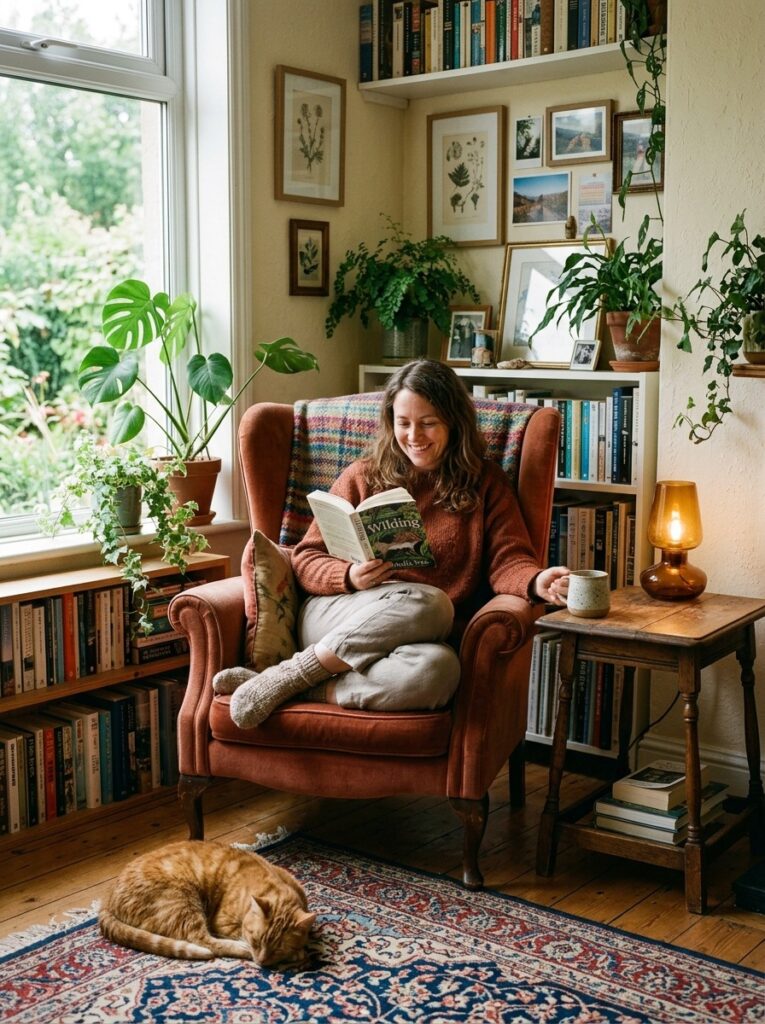
Stop apologizing for your taste or trying to like something because it’s trendy or because you think you should. Your authentic preferences—the colors, styles, and elements that genuinely make you happy—deserve to shape your home. When you give yourself permission to embrace what you actually love instead of what you think is correct, your space immediately feels more authentic. In my experience, the most beautiful and inviting homes belong to people who’ve stopped worrying about judgment and started trusting their own eye. Your decorating style is personal; there’s no single right answer. What matters is that your choices reflect what genuinely appeals to you and makes you happy to live with every single day.
Embracing your authentic preferences also means accepting that your style might not match anyone else’s, and that’s perfect. Maybe everyone around you loves minimalism but you thrive in color and texture. Maybe they’re into industrial style and you love farmhouse warmth. Maybe they prefer statement pieces and you adore a collected, layered approach. None of these are better or worse—they’re just different, and your home deserves to reflect your genuine preferences. I’ve seen people transform their spaces—and their confidence—simply by giving themselves permission to stop fighting their own taste and start honoring it fully.
21. Trust the Process of Discovery
What This Idea Adds:
- Reminds you that finding your style is a journey, not a destination
- Reduces pressure to have everything figured out immediately
- Shows that discovering your aesthetic takes time and exploration
- Helps you enjoy the decorating process rather than rushing it
- Emphasizes that evolution and refinement are part of the journey
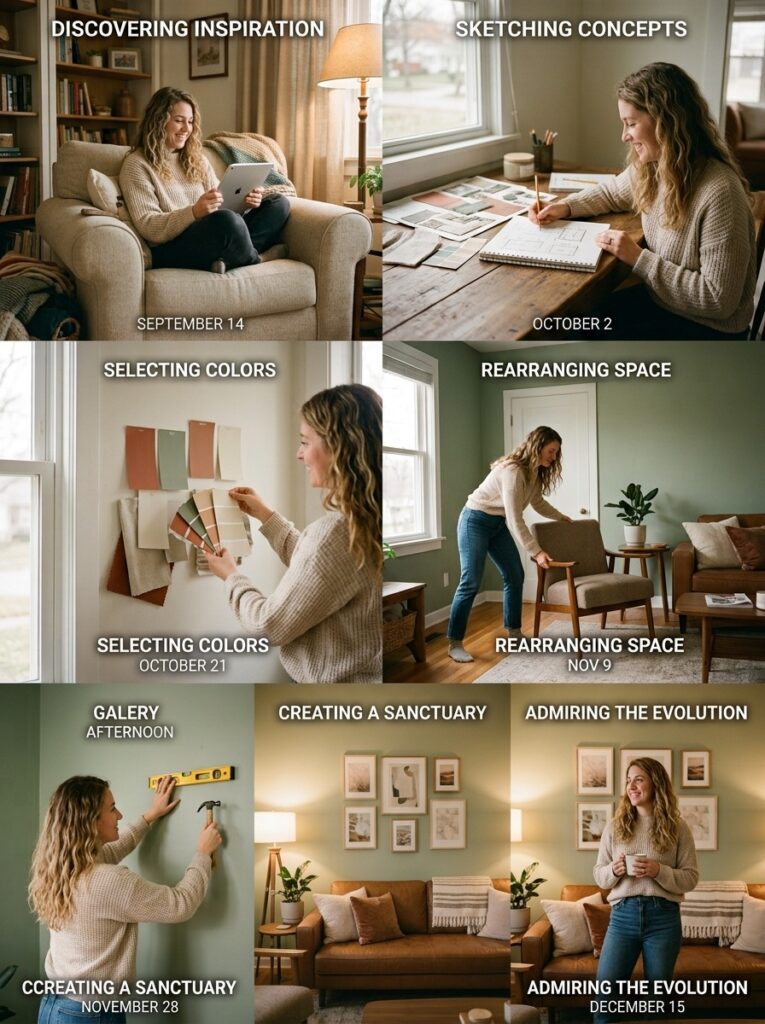
Finding your decorating style isn’t something that happens overnight, and that’s actually good news. The discovery process—exploring, testing, refining, learning—is where the real growth and confidence happen. If you already knew everything about your style immediately, there would be nothing to explore. Instead, embrace this as an exciting journey of getting to know yourself better through your space. That’s why many design professionals encourage clients to take time with this process. Each choice you make teaches you something about yourself, each experiment shows you what works, and each adjustment brings you closer to a home that authentically represents you. Trust that by following your genuine responses and preferences, you’re building something real and meaningful.
I’ve noticed that people who embrace the discovery process end up with homes they love far more than those who rush to a finished product. The journey of finding your decorating style builds your confidence and teaches you what actually matters to you. Each step—gathering inspiration, testing colors, rearranging furniture, trying new elements—is part of becoming clearer about your vision. Instead of viewing this as a problem to solve quickly, see it as an opportunity to create something truly authentic. Your home will continue to evolve as you do, and that’s exactly how it should be. The most beautiful, meaningful spaces belong to people who’ve invested time and thought into discovering and honoring their authentic aesthetic.
22. Document Your Evolving Style
What This Idea Adds:
- Creates a record of your design journey and progress
- Helps you see patterns and growth in your style over time
- Provides motivation by showing how far you’ve come
- Creates reference material for future decorating decisions
- Celebrates the work and thought you’ve invested in your space
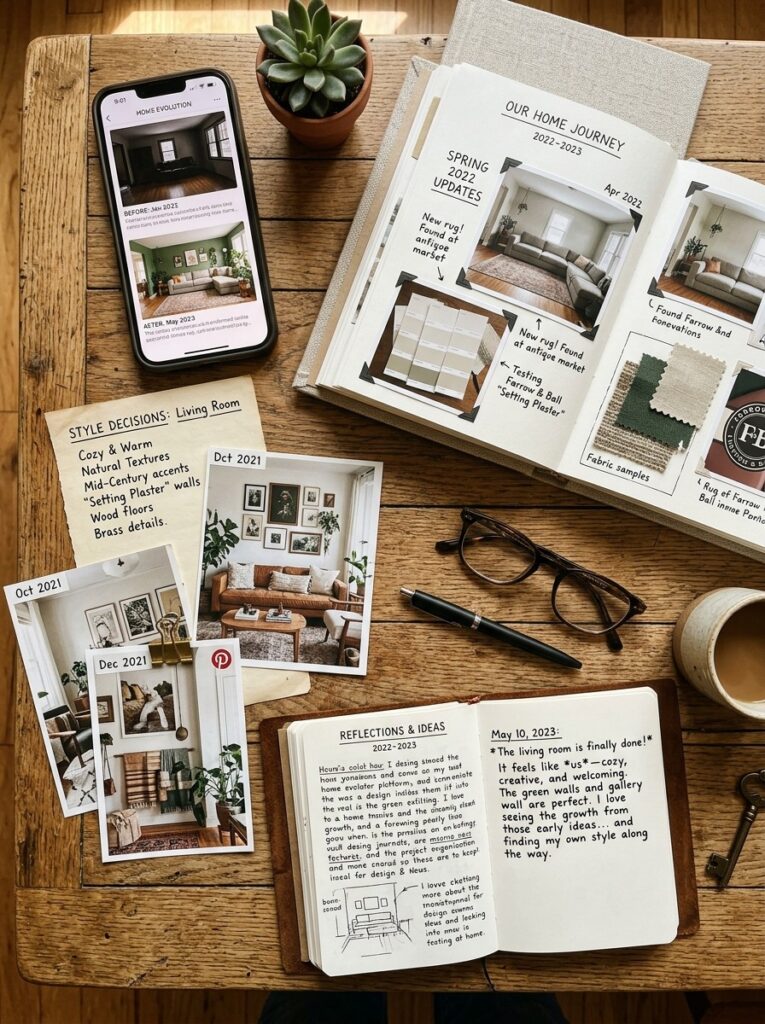
Take photos and notes as your home and style evolve over time. Document the colors you’ve tried, the pieces you’ve added, the changes you’ve made. This record becomes invaluable—it shows you how your taste has developed, reminds you why you made certain choices, and creates a visual story of your decorating journey. When you look back and see how your space has transformed, you gain confidence in your ability to create a home you love. That’s why many designers recommend this practice. Your before-and-after photos become proof that your instincts work, that your choices have meaning, and that you’re capable of creating a space that genuinely reflects you. This documentation also helps you recognize your evolving aesthetic and appreciate how intentional you’ve been.
I’ve noticed that people who document their decorating journey feel more satisfied with their spaces than those who don’t. The act of documenting makes you more aware of your choices and their impact. When you photograph your rooms and write down your decisions, you’re also building a personal design case study that shows what works for your space and your life. This record becomes a tool for future decisions, helping you remember why you chose certain colors, which layouts felt best, and what actually made a difference in how your home feels. Your documentation is a gift to yourself—a celebration of your style and a guide for future growth.
23. Live with Confidence in Your Vision
What This Idea Adds:
- Gives you permission to stop doubting your choices once made
- Helps you enjoy your space fully instead of constantly questioning it
- Creates genuine contentment and peace in your home
- Prevents endless decorating cycles and decision-making
- Allows your space to truly become a refuge and reflection of you
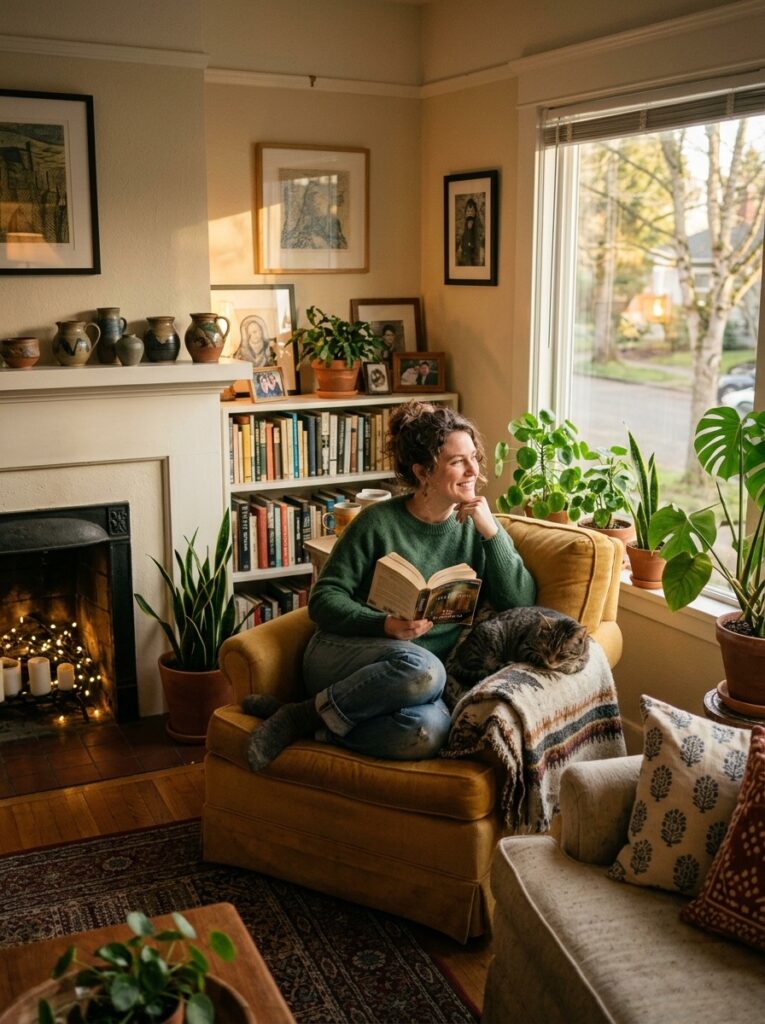
Once you’ve discovered your decorating style and created a home that reflects it, live with confidence in your vision. Stop second-guessing your choices, stop comparing your space to others, and stop worrying whether your aesthetic matches current trends. Your home doesn’t exist to impress anyone else—it exists to serve you, comfort you, and make you happy every single day. In my experience, the people who feel most at peace in their homes are those who’ve committed to their vision and stopped constantly questioning it. When you trust your choices and embrace your space fully, something shifts. Your home becomes a genuine sanctuary where you can relax, be yourself, and feel completely at home. This confidence and contentment is the ultimate goal of finding your decorating style.
Your decorating style journey doesn’t end when your space looks finished—it ends when you stop worrying about whether it’s right and start fully enjoying it. I’ve seen people paralyze themselves with endless tweaking and questioning, when they’d be far happier simply living in and enjoying what they’ve created. Give yourself permission to be done making changes, at least for a while. Enjoy your beautiful, authentic space. Notice how it makes you feel to come home to a place that truly reflects who you are. Appreciate the colors you chose, the pieces you collected, the care you invested. Your home is a living reflection of you, and it deserves to be enjoyed fully. This confidence and contentment is what finding your true decorating style is really all about—creating a space where you can be completely, authentically yourself.
Your Beautiful Home Starts Here
Your decorating style is already within you, waiting in your authentic preferences and vision. Through these 23 ideas, you’ve learned to listen to yourself, honor what genuinely resonates, and build confidence in your choices. When you find your decorating style, everything transforms—your home becomes a genuine reflection of who you are and a space where you feel truly at home.
I’ve seen how powerful this is when people stop fighting their own taste and start trusting it. Your home deserves to be beautiful and authentically yours. Take action now: save this post, try one idea today, and share with someone who needs permission to honor their true style. Your beautiful, authentic home is waiting.
Leave a Reply